
Future of music in our worship
Future of music in our worship
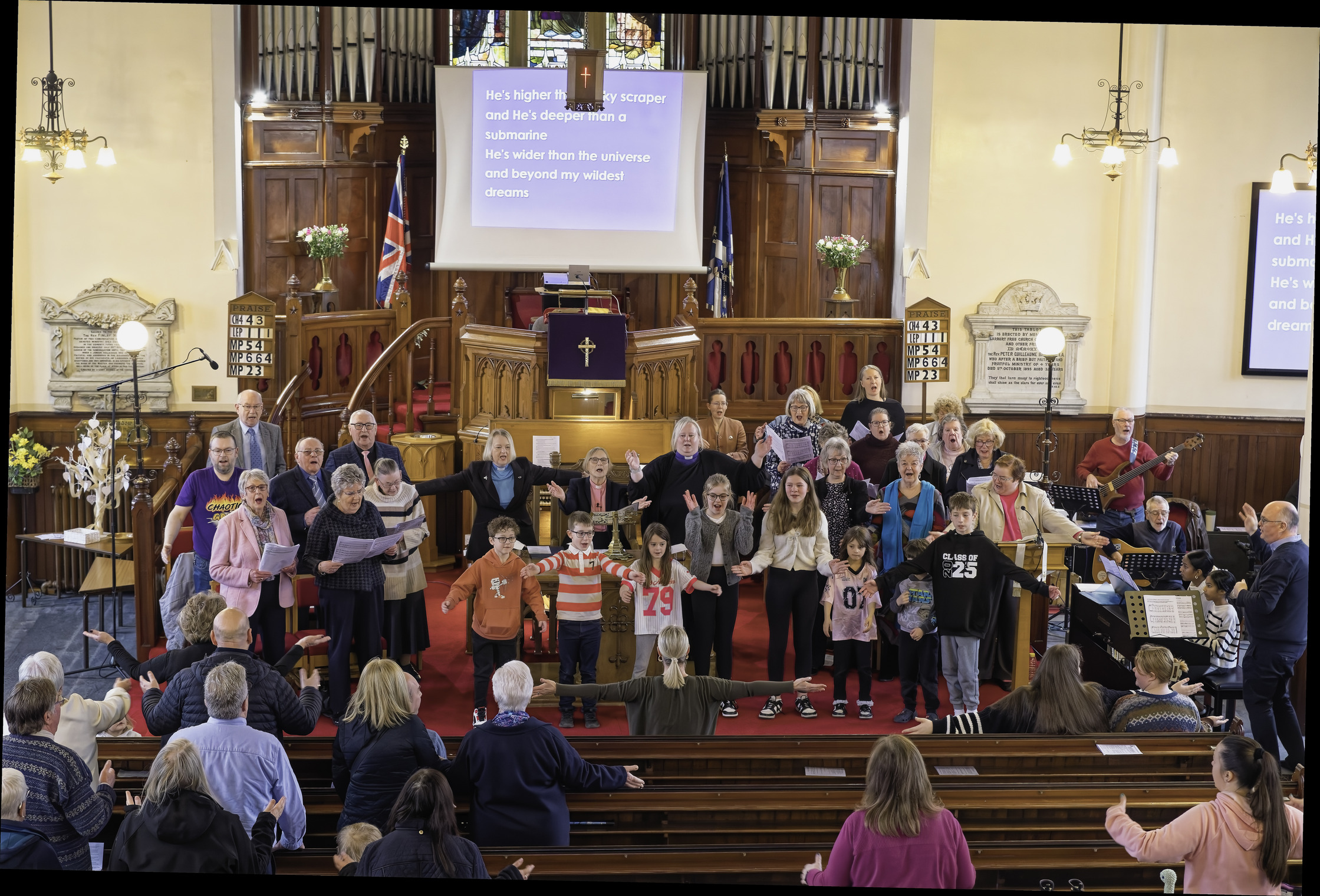
At Tryst Church we give thanks for the richness of our musical worship—traditional hymns, choir contributions, instrumental pieces, and newer songs that help us praise God together. As we plan for the future, we’re considering how our music should develop over the next 10–15 years, and what role (if any) the church organ should play. The consultation ran January–March 2026 and sits alongside our wider exploration of options to modernise our building and halls.
Update following the consultation period
Thank you to everyone who took part in our recent consultation on the future of music within the worship life of Tryst Parish Church. Your comments, conversations, and written feedback have been invaluable as we consider how best to support and develop our musical resources for the years ahead.
What We Have Been Considering
Over the past months, the congregation has explored several important questions about our musical life, including:
- How we can sustain and support music in worship.
- Whether refurbishment, replacement, or alternative musical arrangements would best serve the long‑term needs of the church.
- How we can maintain the richness of our musical tradition while remaining adaptable for future generations.
These discussions will help shape a clearer understanding of the practical options available to us moving forward.
Outcome of the consultation
Summary
- Strong support for a blended musical diet. On average (1–5 scale), respondents rated Traditional hymns 4.07, Modern worship songs 4.00, Praise-band accompaniment 3.95, Organ accompaniment 3.75, and Choir pieces 3.82—all in the “important” range.
- Organ in worship: broadly supported in principle, but with cost caveats. Form selections indicate everyone picked an option that keeps an organ in worship at least to 2040 (39 chose “Up to 2040”; 27 chose “Beyond 2040 to 2055”; 5 ticked both), yet at least three free‑text comments explicitly argued against maintaining an organ because of cost/priority concerns.
- Console location (if organ remains): Most common preference was “move to the side of the chancel” (19); 16 want it to remain where it is; 6 prefer gallery; 2 back of church; 1 middle of sanctuary; 9 had no strong preference, and 8 were “other/unspecified.”
- Investment priorities (first choice): Modernisation of the sanctuary (31) led clearly, followed by Modernisation of the halls (18). Organ refurbishment appeared as the first priority only 4 times.
- Who responded: Predominantly weekly worshippers (56/61) and mainly age 51+ (52/61)—useful context for interpreting preferences.
Young Church Feedback
The Young Church members expressed a surprisingly diverse set of preferences as to musical styles and certainly did not dismiss what might be described as traditional hymns/songs or instruments. However, when forced to make a choice between styles, the preference was resoundingly in favour of a modern and rhythmical genre.
Conclusions
The follwing conclusions were agreed by the Worship Team at its meeting on 6th May 2026 and were endorsed by the Kirk Session on 3rd June 2026:
- The feedback from the survey provides the church musicians with very useful insights into how we should develop our musical support for the congregation’s worship.
- There seems to be a broad consensus for retention of some form of organ accompaniment, but that is not a high priority for our financial resources. Our consequential order of preference is therefore probably as follows:
- Refurbishment of the existing organ, as long as that can deliver a reliable instrument for the medium term. A recent assessment estimated that this would cost £20,000, although this might be on the low side.
- Installation of new digital organ, including full-adequate sound system for the organ. A similar and recent installation in Oban cost £50,000, although we think that excluded the associated sound system (because that already existed for the previous instrument).
- Re-location of one of the existing organs (most likely the Stenhouse & Carron instrument), would probably cost well over £100,000 and that is very unlikely to be acceptable in relation to our other refurbishment priorities.
Next steps
These conclusions will be taken into account in the decisions about the scope and financing of the overall refurbishment project.
In parallel, the Co-organists will now seek firmer estimates of the two options within 2. above – (but not, at this stage, formal quotations).
Note that no firm decisions are being made at this stage.
Detailed consultation analysis
You can read the full analysis of the consultation responses here:
Staying Informed
We will continue to keep the congregation updated as this process moves ahead.
Further updates will be posted on this page as they become available.
If you have additional thoughts or questions, you are still very welcome to contact us via the Contact page.
Thank you again for your engagement, encouragement, and prayerful support as we discern the best future for music in our worship.